BY JOSEPH SSUUNA
In Uganda’s complex political landscape, the role of intellectuals in shaping governance remains a topic of intense debate. While they possess the knowledge to drive change, their limited engagement often leaves the masses to bear the brunt of systemic challenges. This disconnect raises a critical question: is the “elite” class a catalyst for progress or a bystander to decay?
The Disconnect in Numbers
Despite their potential influence, educated elites represent a tiny fraction of the population, with tertiary enrollment at just 5%. This disparity is mirrored in the voting booths. Ahead of the 2026 general elections, the Electoral Commission reported 21.68 million registered voters, yet turnout plunged to a historic low of 52.5%. Disillusionment and a sense of predetermination have led many, particularly the educated, to opt out of the democratic process entirely.
Analysis Over Action
Renowned scholar Dr. Jimmy Spire Ssentongo describes this civic apathy as a cultural tendency to delegate responsibility. He notes that many Ugandans treat political struggle as a spectator sport, “playing like linesmen” while criticizing those in the fray. This sentiment was echoed by Deputy Speaker of Parliament Hon. Thomas Tayebwa, who recently challenged intellectuals to move beyond social media commentary. “If you complain about the quality of Parliament,” Tayebwa urged, “then seek votes and lead.”
The 2026 Reality Check
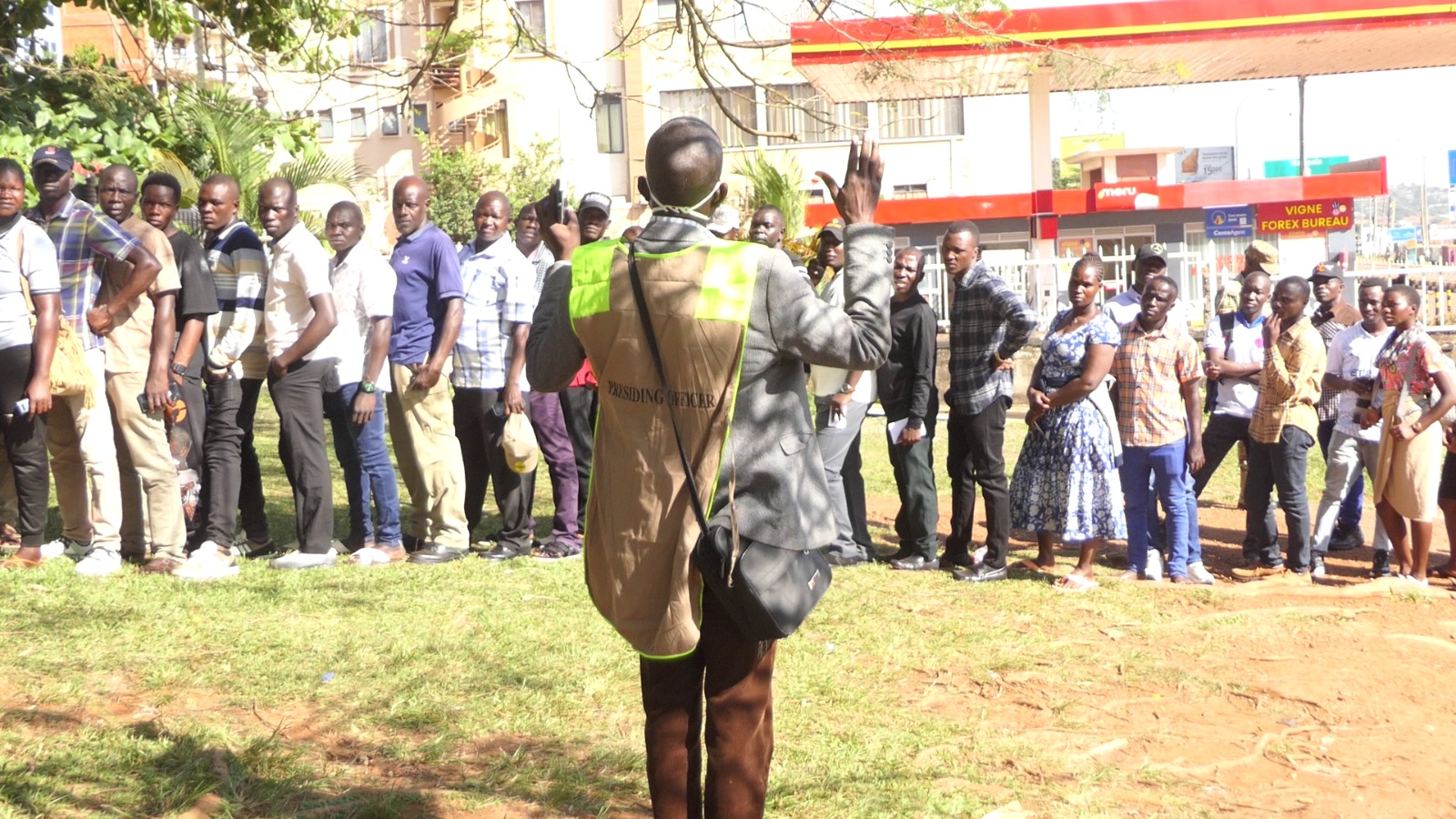
The 2026 elections highlighted the consequences of this leadership vacuum. While some citizens showed great enthusiasm—arriving at polls as early as 5:30 AM—the process was marred by logistical failures. Late delivery of materials and malfunctioning biometric verification machines forced a shift to manual registers, creating opportunities for oversight gaps.
The final results saw President Yoweri Kaguta Museveni secure victory with 71.65% of the vote. Meanwhile, the leading opposition party, the National Unity Platform (NUP), saw its parliamentary presence shrink from 57 seats in 2021 to 43. The NRM continues to dominate, claiming over 200 seats.
Bridging the Gap
The aftermath of the election remains polarized. While the opposition questions the legitimacy of the results, the Electoral Commission maintains that legal redress is the only path for aggrieved parties.
Ultimately, whether the elite class is a “curse” depends on their willingness to bridge the gap between theory and practice. Their expertise is desperately needed to enrich policy-making and foster accountability. However, as long as they remain “disinterested spectators,” the cycle of ineffective leadership is likely to continue. For Uganda’s democracy to evolve, intellectuals must transform their criticism into active, constructive participation.