On January 15, 2026, Uganda held its highly anticipated presidential and parliamentary elections, with incumbent President Yoweri Museveni of the National Resistance Movement (NRM) widely expected to secure another term amid reports of irregularities, low turnout in some areas, and scattered violence across the country.
In Lyantonde District, located in the central region, several local journalists faced severe intimidation and physical assault while attempting to report on the voting process at polling stations.
The incidents highlight ongoing concerns about press freedom during electoral periods in Uganda, where media professionals have increasingly reported harassment, beatings, and restrictions on coverage.
The affected journalists include:Ampaire Patience of Buyamba FM,Kizito Lawrence of Karo FM and
Muhumuza Canary of Tayari West.
The assaults reportedly occurred at Kaliiro Trading Centre (TC) polling station and in remote sub-counties such as Kinuuka, Kasagama , Lyakajura, away from main urban areas.
According to the journalists, supporters of NRM candidate Enos Asiimwe Kinywamachunda , who was contesting for the Kabula County parliamentary seat in Lyantonde, allegedly carried out the attacks.
The supporters accused the journalists of recording events and sought to prevent documentation of any irregularities or incidents.
Ampaire Patience described the ordeal: “They broke my phone and camera, and I was canned like a school child. They forced me to delete all the content captured.”
Kizito Lawrence noted a pattern in less-monitored rural polling stations: “On most polling stations in sub-counties away from town, like Kinuuka, Assimwe Enos supporters were randomly beating up journalists and never wanted to see a camera.”
Muhumuza Canary echoed similar experiences of harassment and content deletion.
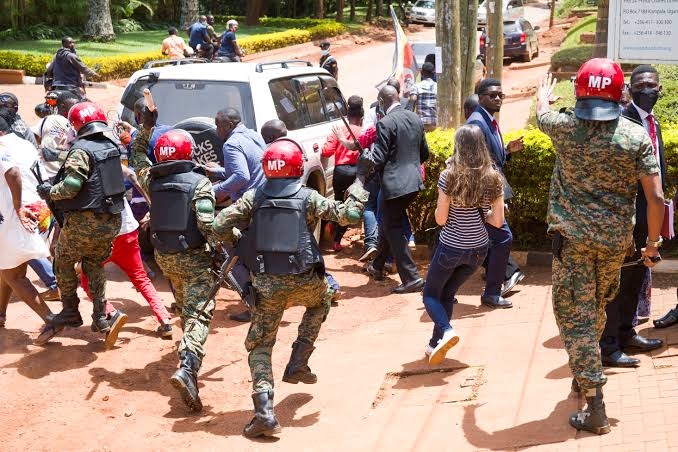
The journalists alleged that NRM candidates, including in this case, were backed by police, Uganda People’s Defence Force (UPDF) personnel, and organized groups of youth who ensured journalists were brutalized, their gadgets confiscated, and recorded material erased.
This created what they described as a “blackout on media” in Lyantonde, allowing election-related violence and potential malpractices to proceed without independent scrutiny.
“Lyantonde was in darkness, and all election violence went uninterrupted due to the blackout on media,” one of the journalists stated.
These claims align with broader reports of rising violence against the press in the lead-up to and during the 2026 elections.
Organizations such as Reporters Without Borders (RSF) documented at least five assaults on media professionals since September 2025, while the Committee to Protect Journalists (CPJ) and others have highlighted a troubling pattern of intimidation by security forces and political actors.
In Lyantonde specifically, police reported 101 arrests linked to election-related violence and irregularities on polling day.
Enos Asiimwe Kinywamachunda was subsequently declared the winner for Kabula County.
The incidents underscore persistent challenges to media freedom in Uganda during high-stakes elections, where journalists play a critical role in ensuring transparency and accountability.
Advocacy groups have repeatedly called for protections for reporters and an end to impunity for attacks on the press. No immediate official response or investigation into these specific Lyantonde assaults by the time of filing this story .