By sentamu Moses
A growing coalition of civil society groups, religious leaders, economic advocates, financial institutions, and legal experts has strongly opposed the Protection of Sovereignty Bill 2026, arguing that it undermines Uganda’s Constitution, threatens fundamental freedoms, and risks devastating the work of NGOs that support vulnerable communities.
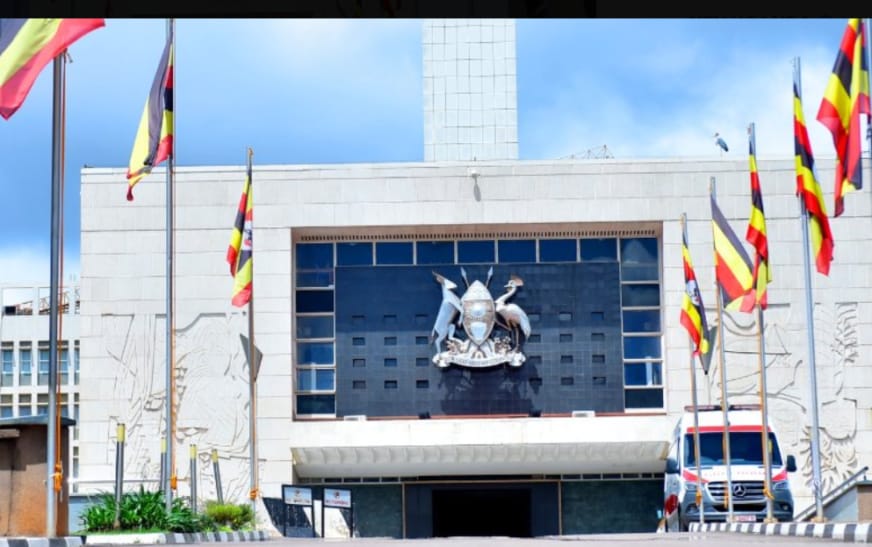
Action Liberty for Economic Development, together with Entebbe stakeholders, presented their views before the Parliamentary Committee on Legal and Parliamentary Affairs (and Defence), declaring they do not support the bill in its current form.
They described it as unconstitutional and a direct assault on the freedoms enshrined in the Constitution.
Article 1 of the Uganda Constitution affirms the sovereignty of the people as the source of all authority. The bill contradicts this spirit by imposing sweeping restrictions on foreign funding and activities that could be broadly interpreted as advancing “foreign interests.”
Mugabi John of Action Liberty for Economic Development warned that the bill would severely hamper the operations of NGOs working to uplift local communities. “This bill will affect the work NGOs do to support the locals and it will mostly affect the peasant person,” he stated, highlighting the potential harm to grassroots development initiatives that rely on external partnerships.
Religious leaders, led by Pastor Dr. Joseph Sserwadda from Kisubi Hospital and representing the Inter-Religious Council of Uganda (IRCU), also voiced strong reservations.
They expressed concerns that the legislation grants excessive powers to the Minister of Internal Affairs and could disrupt donor-funded services in health, education, and community support, while threatening the independence of faith-based organizations.
The Bank of Uganda has joined the chorus of opposition, with Governor Michael Atingi-Ego cautioning that the bill could trigger capital flight, destabilize the financial system, and derail the country’s long-term economic growth ambitions.
During the committee hearings, counsel Thomas Kayanja outlined several constitutional red flags. One major issue is the bill’s broad definition of a “foreigner,” which reportedly includes Ugandan citizens living outside the country.
This provision, he argued, leaves the bill vulnerable to constitutional challenges and could unfairly stigmatize the Ugandan diaspora and those receiving remittances or support from abroad.
Stakeholders across the board have raised alarms that the bill’s vague clauses on promoting “foreign interests” against Uganda, coupled with heavy penalties (including long prison terms), risk silencing legitimate civic engagement, advocacy, and development work. Many fear it could criminalize ordinary activities funded through international partnerships that benefit peasants, hospitals, schools, and local economies.
As the joint committees continue scrutinizing the bill, calls are mounting for a thorough review to ensure any legislation truly protects national sovereignty without trampling on constitutional rights, economic freedoms, and the ability of NGOs and religious institutions to serve the most vulnerable Ugandans.
The debate reflects deep divisions over balancing national interests with openness, individual liberties, and the practical needs of everyday citizens who depend on a vibrant civil society and diaspora connections.