Rebuilding fish stocks in Lake Victoria requires strict regulation of illegal fishing gear, enforcement of size limits, and protection of breeding grounds.
Since over 40 million people depend on the lake, restoring biomass also relies on reducing pollution and promoting sustainable cage aquaculture to lessen pressure on wild populations.
The Lake Victoria Fisheries Organization (LVFO) coordinates conservation efforts among Uganda, Kenya, and Tanzania. However, community-led enforcement remains crucial.
Restoring stocks needs a mix of strict community compliance, government crackdowns on juvenile harvesting, and habitat conservation. Specific actions for rebuilding the lake’s biomass include:
Protecting Breeding Zones: Avoid fishing in shallow-water bays and papyrus swamps during peak breeding seasons.
Enforcing Mesh Sizes: Using legal gillnets (e.g., 5-inch for tilapia and 7-inch for Nile perch) permits juvenile fish to escape and reproduce.
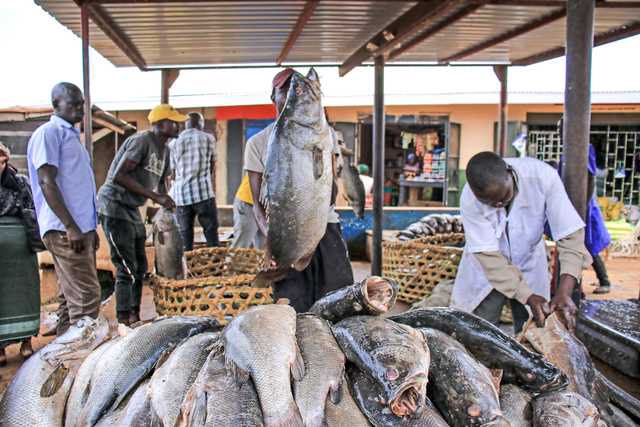
Targeting the Supply Chain: Block the trade of immature fish at landing sites to remove the economic incentive for over fishing. according to Maurine 155 battalion commander Maj joseph ssebukera .
The ministry of agriculture has encouraged Adopting Cage fish Farming which if properly managed can supplement Nile perch and tilapia easing pressure on wild populations.
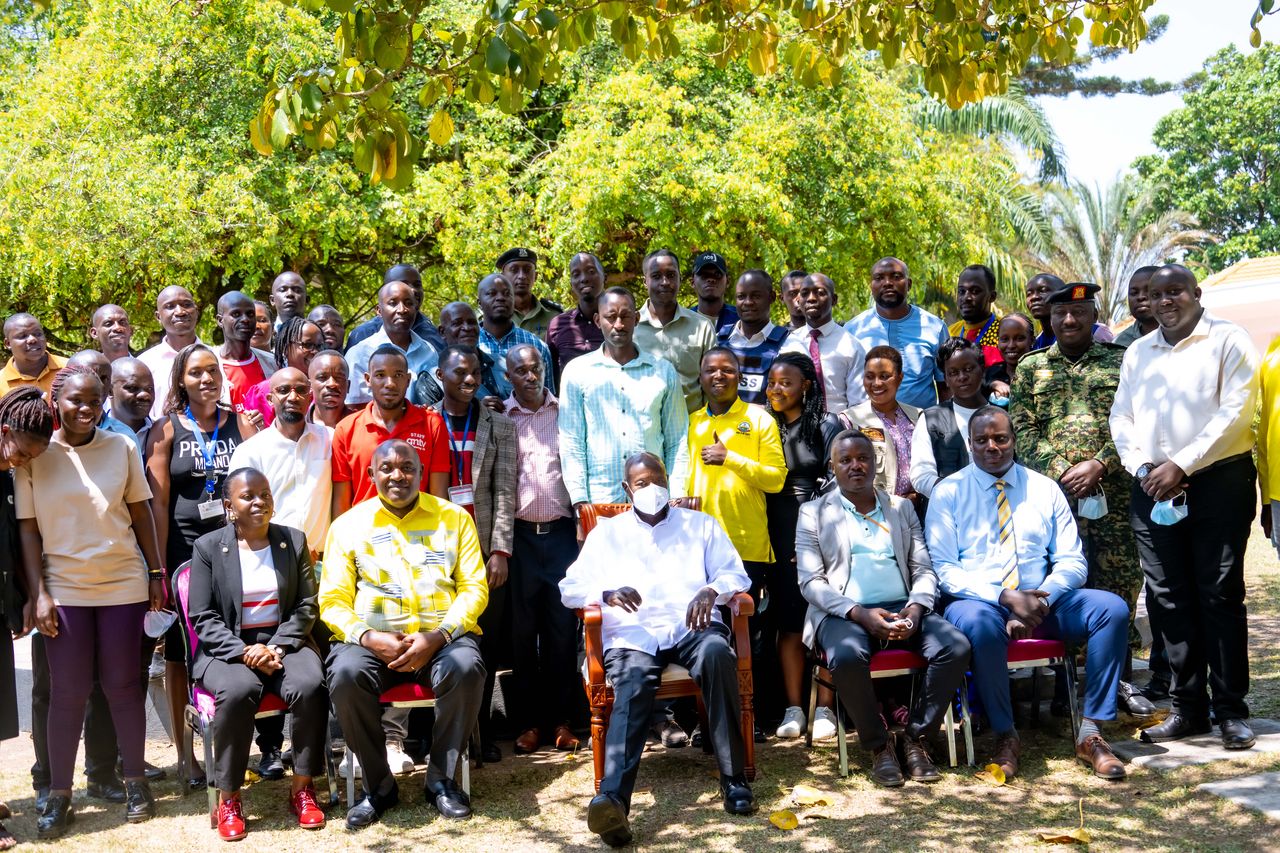
The communities leaving around Uganda’s lakes have appreciated the role played by Maurine 155 battalion for proper engagement on fisheries “We’re eager to restore the sector’s lost glory,” says the Maurine 155 battalion commander Maj joseph ssebukera, He emphasizes the urgent need to overhaul regulations to combat illegal fishing across all waters.”
The three Partner States , Kenya, Tanzania, and Uganda sharing Lake Victoria, have been managing the lake through agreed management plans to ensure sustainable fisheries resources.
The first Fisheries Management Plan was developed in 2001 and implemented from 2005 to 2008. This was followed by the second Management Plan for 2009 to 2014 among the partner states
Lake Victoria has maintained high fish production since the Nile perch peak in the early 1990s, although the contribution of major commercial species to total production and value has shifted over time.
From 2011 to 2014, estimated total fish landings from Catch Assessment Surveys were about 1 million tons, with beach values rising from approximately US$550 million in 2011 to about US$840 million in 2014.

Dagaa production increased from 456,721.2 tons in 2011 to 509,598 tons in 2014, while Nile perch rose from 198,624 tons to 251,063 tons. The value of Dagaa remained relatively low at US$135 million, compared to US$545 million for Nile perch (LVFO-CAS, 2014). The export value of Nile perch has further increased due to new markets and high prices for fish maws, now estimated at US$300 million.
However, this growth presents challenges like illegal fish maws processing and increased unregulated fishing and trade.
Strategies in FMP III aim to boost Nile perch catches, regulate fish maw trade, and improve the handling and processing of Dagaa to enhance its value.
During a 2014 hydro-acoustic survey, the calculated total biomass was 2.89 million tons, showing increases for Dagaa and Nile perch since 2011, although haplochromines, the main food for Nile perch, decreased. The survey found most Nile perch are juveniles, with only 5.9% above the 50 cm size limit. FMP III discourages further harvesting of haplochromines to protect Nile perch food and promotes measures to allow more fish to grow before being caught.
The plan envisions contributing to sustainable economic growth and poverty reduction within the East African Community by ensuring sustainable fisheries use, wealth creation, and equitable benefits. Objectives include managing Nile perch for increased exports, promoting tilapia trade, boosting fish consumption and food security, and supporting regional communities.
FMP III also addresses emerging issues such as introducing user rights, implementing a Fishery Craft Management System, market reforms, product development, increased financing, establishing aquaculture enterprises, installing specific deterrents, and empowering fishers and producers. It emphasizes developing new technologies, demand-driven research, economic valuation, use of ICT, market information sharing, infrastructure investment, professional bodies, and standards for training and research institutions.
Adopting an Ecosystem Approach to Fisheries Management, the plan promotes collaborative, harmonized management, stakeholder involvement, and regular assessment of fisheries contributions to regional GDP.
Aquaculture is seen as critical for reducing fishing pressure, with strategies to enhance seed and feed availability and build technical capacity.
The plan sets management goals for Nile perch, tilapia, and Dagaa, with targets, reference points, and decision rules, all aimed at guiding sustainable fishery management, poverty alleviation, and improved livelihoods aligned with the EAC’s vision of a prosperous, healthy, and sustainable environment.