By Raimah Namuwaya
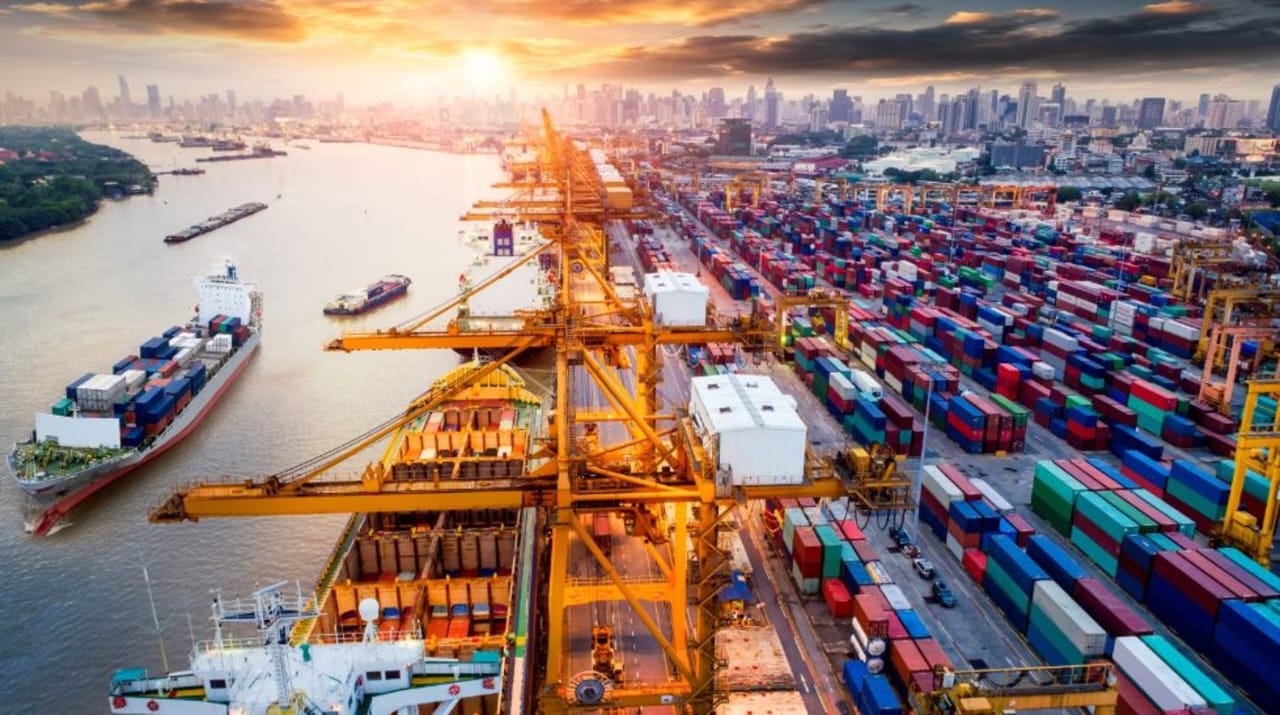
When ships stop moving, economies feel the impact almost immediately. A disruption in global maritime routes does not only delay cargo—it affects food prices, fuel costs, employment opportunities, businesses and the livelihoods of millions of people connected to global trade.
Since February 2026, shipping disruptions across key waterways in the Arab world, particularly the Red Sea, Bab el-Mandeb Strait, Suez Canal and the Strait of Hormuz, have disrupted international trade flows. The crisis, driven by military tensions, attacks on vessels and restrictions affecting strategic maritime routes, has forced major shipping companies to suspend operations, reroute vessels and impose additional war-risk charges.
These developments have created a ripple effect far beyond the Middle East, with African economies among the most affected due to their dependence on these maritime corridors for imports, exports and access to global markets.
Africa’s economic growth is closely connected to smooth maritime trade. The Red Sea, Suez Canal and Gulf routes serve as important gateways linking African producers and consumers to international markets.
Disruptions along these routes have resulted in higher freight costs, container shortages, longer shipping times and increased expenses for businesses. Manufacturers face delays in receiving essential inputs, while consumers experience rising prices for everyday goods, including food, fuel and household products.
Import-dependent countries face immediate economic pressure as essential commodities become more expensive. At the same time, exporters—from East African agricultural producers to West African manufacturers—face challenges meeting international contracts due to delays, higher transportation costs and increased logistical expenses.
The effects of shipping disruptions are not evenly distributed.
Countries with busy ports experience congestion as shipping companies adjust their routes. Landlocked countries face increased transportation costs because goods must travel longer distances before reaching consumers. Small and medium-sized enterprises, which often operate with limited financial reserves, are particularly vulnerable as higher costs reduce their competitiveness.
Informal traders and cross-border businesses, which provide livelihoods for millions of Africans, also feel the pressure as shortages and price increases reduce consumer purchasing power.
For ordinary citizens, a global shipping crisis becomes a local reality when fuel prices rise, food becomes more expensive and business opportunities shrink.
Beyond trade and economics, shipping disruptions also have consequences for the young people who represent the future of Africa and the Arab world.
Africa and the Arab region are home to one of the largest youth populations globally. Millions of young people depend on economic stability, employment opportunities and access to affordable goods and services to build their futures.
Rising logistics costs and economic uncertainty threaten youth entrepreneurship, particularly for young people involved in trade, manufacturing, agriculture, technology-enabled businesses and creative industries. Young entrepreneurs who rely on imported equipment, raw materials or digital infrastructure may experience increased operational costs, making it harder to grow their businesses.
For young farmers and agricultural entrepreneurs, delayed exports and higher transportation costs can affect access to international markets and reduce income opportunities. For young consumers, rising prices place additional pressure on household finances and limit access to essential goods.
However, the crisis also highlights the importance of youth-led innovation and regional cooperation. Young entrepreneurs across Africa and the Arab world have an opportunity to develop local solutions, strengthen intra-regional trade and promote alternatives that reduce dependence on vulnerable global supply chains.
The current disruptions provide an important lesson: Africa and the Arab world must build stronger, more resilient economic systems.
Short-term measures should include diplomatic efforts to restore safe shipping routes, improved trade facilitation through alternative ports, temporary relief on port charges and targeted support for essential imports.
In the medium and long term, governments should invest in modern port infrastructure, warehouse facilities, efficient transport corridors and digital logistics systems. Strengthening regional manufacturing and increasing local production will also reduce dependence on external supply chains.
For businesses, particularly youth-led enterprises, the crisis is a reminder of the importance of supply chain planning, diversification of suppliers and exploring regional markets.
The private sector, governments and development partners must also prioritise investments that empower young people with skills, finance and technology to participate meaningfully in emerging economic opportunities.
The disruptions affecting Arab maritime routes demonstrate how interconnected today’s world has become. A conflict or blockade in one region can quickly affect prices, businesses and livelihoods thousands of kilometres away.
For Africa and the Arab world, this moment should serve as a call to strengthen cooperation, not deepen vulnerability. Regional integration, innovation and youth participation will be essential in building economies capable of withstanding future shocks.
The Afro-Arab youth population is not merely a group affected by global challenges—it is a generation capable of designing solutions. By investing in youth entrepreneurship, digital innovation, regional trade and leadership development, both regions can transform current disruptions into opportunities for greater resilience.
Shipping routes may be disrupted, but the shared aspirations of Africa and the Arab world’s young people remain connected. The challenge is to ensure that their journey towards prosperity is not delayed by crises that can be anticipated, managed and overcome.